
Top 7 APIs for Visual Intelligence and Screenshot Capture
Digital assets represent tangible corporate value. Protecting that value requires total visibility across the internet. Brand monitoring teams, ad verification agencies, and copyright enforcers face a specific operational problem. Text extraction alone fails to secure their objectives. Modern compliance requires visual proof.
A standard HTTP request pulls raw code. Code easily hides malicious intent, misplaced advertisements, or stolen designs. Teams need to see exactly what the end user sees. They require absolute visual intelligence. This technical guide breaks down the leading tools engineered for precise screenshot capture and visual data extraction.
Beyond the DOM: The Critical Value of Visual Data
Organizations lose revenue when they cannot verify these visual placements. Relying on source code creates a massive blind spot for compliance teams. Visual data solves this specific problem. It provides undeniable, time-stamped proof of a web property’s exact state.
- Ad Verification: Agencies prove that client campaigns run exactly as contracted. Visual evidence confirms correct sizing, proper placement, and brand safety compliance.
- Copyright Enforcement: Legal teams track unauthorized usage of proprietary images. Screenshots serve as the foundational evidence for immediate takedown notices.
- Design Quality Assurance: Product teams audit user interfaces across thousands of domains simultaneously. Visual capture highlights rendering errors across different device configurations.
Without an automated screenshot capture protocol, businesses operate purely on assumptions. Visual intelligence translates hidden code into actionable business data.
1. ScrapingBee

ScrapingBee built its infrastructure around cloud-based headless browser execution. Visual audits require immense processing power. Rendering thousands of JavaScript-heavy pages simultaneously crashes local server clusters quickly.
This platform moves the browser management burden entirely to the cloud. Developers interact with a simple endpoint.
The Execution Logic:
- The user sends the target URL and an embedded JavaScript snippet.
- The platform opens a headless browser instance.
- The browser runs the custom code directly on the target page.
- The system waits for a specific network event.
- It captures the screenshot and returns the file.
This workflow suits engineering teams that need to inject highly specific scripts into a page before capturing the visual state. It eliminates the need to configure Puppeteer or Playwright environments locally.
2. HasData
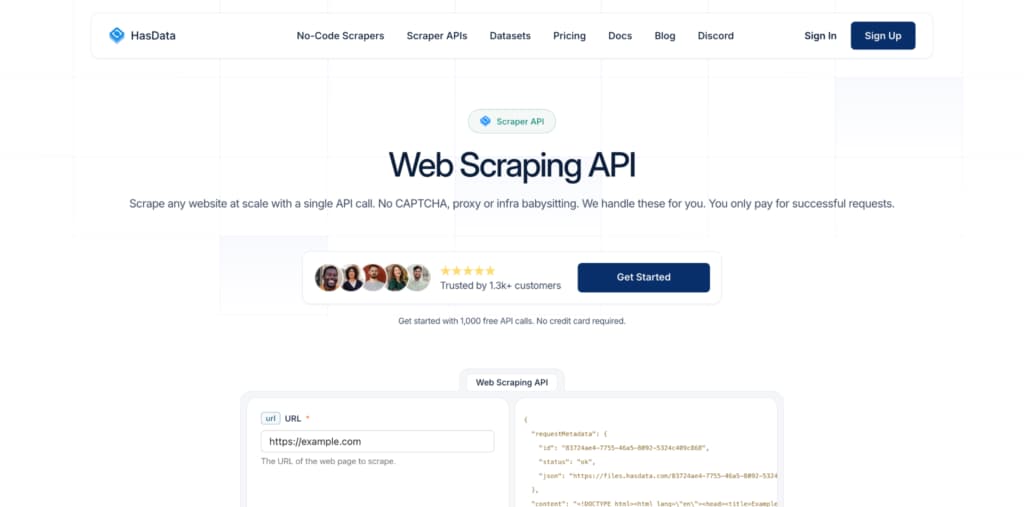
HasData, a Web Scraping API, engineered a system that delivers a complete browser automation toolkit wrapped in a highly accessible interface. The platform functions differently from standard proxy routers. It manages the entire rendering lifecycle natively on the backend.
Automated Form Submission and Navigation
The HasData web scraping API handles complex single-page applications with absolute confidence. The system executes heavy JavaScript payloads perfectly before engaging the screenshot protocol. Users command the system to perform intricate page interactions automatically.
The software scrolls infinitely to load dynamic product catalogs. It clicks specific elements to reveal hidden drop-down menus. It fills out complex forms to reach authenticated areas of a target domain.
Security Evasion Model
A critical operational advantage lies in its security evasion model. The platform bypasses CAPTCHAs entirely. The system never stops interacting with a visual challenge. It mathematically prevents the security trigger from firing in the first place. This specific architecture keeps large-scale visual intelligence pipelines flowing without interruption.
What HasData Offers:
- Full-Page Precision: Captures perfect, high-resolution visual evidence of entire document layouts.
- Automated Interactions: Natively supports clicking, scrolling, and typing commands before capture.
- Device Emulation: Spoofs exact mobile and desktop viewports for highly accurate QA testing.
3. Oxylabs
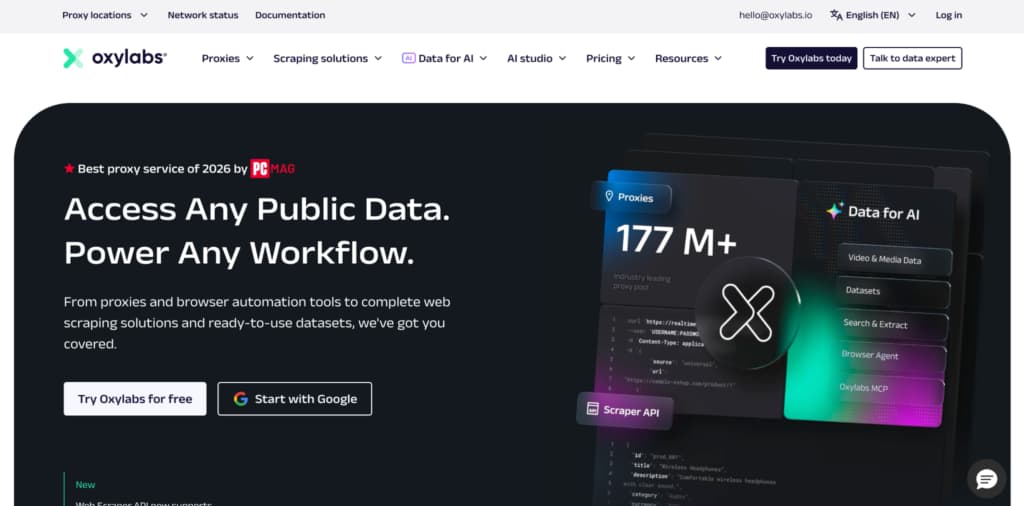
Oxylabs approaches the visual data challenge through massive network scale. Ad verification often requires checking visual placements across highly restricted geographical zones. A campaign might run exclusively in a specific European city.
Residential Proxy Network and Extraction Focus
The company provides an extensive residential proxy network. Their primary extraction tool routes requests through these localized IPs. This platform prioritizes the location of the extraction over granular browser interaction controls.
Geographic Location Mimicry and Access
- The system formats the connection to mimic a legitimate local device.
- It bypasses regional blocks automatically.
- The platform renders the visual data as it appears in that exact geographic location.
It serves agencies that need to confirm visual compliance across hundreds of different countries simultaneously. The sheer volume of available connections ensures constant monitoring capabilities.
4. Zyte
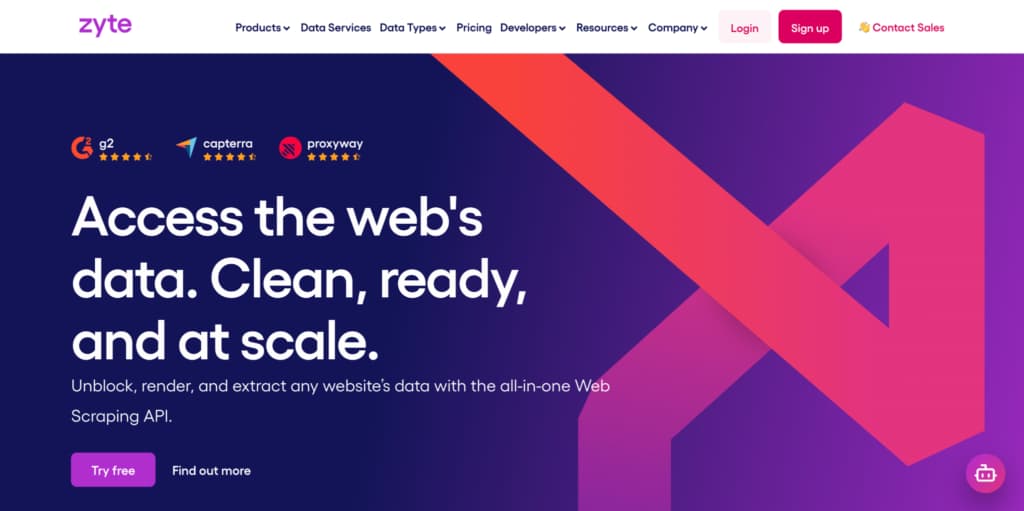
Zyte tackles visual capture by utilizing a highly specialized rendering engine. Standard headless browsers often leak identifiable data to security systems. Zyte developed proprietary technology to mask the automation process.
Rendering and Processing
Their system renders HTML exactly like a standard commercial browser. It processes the CSS files and executes the required scripts seamlessly.
Security and Protocol Updates
The platform features a distinct ban-handling protocol. Website administrators constantly upgrade their defensive rules. Zyte updates its internal logic to match these new security parameters automatically. Teams send the target URL.
Comprehensive Rendering Solution
The system handles the network routing, the browser rendering, and the visual capture in one continuous motion. It fits organizations looking to outsource the entire rendering headache.
5. Firecrawl
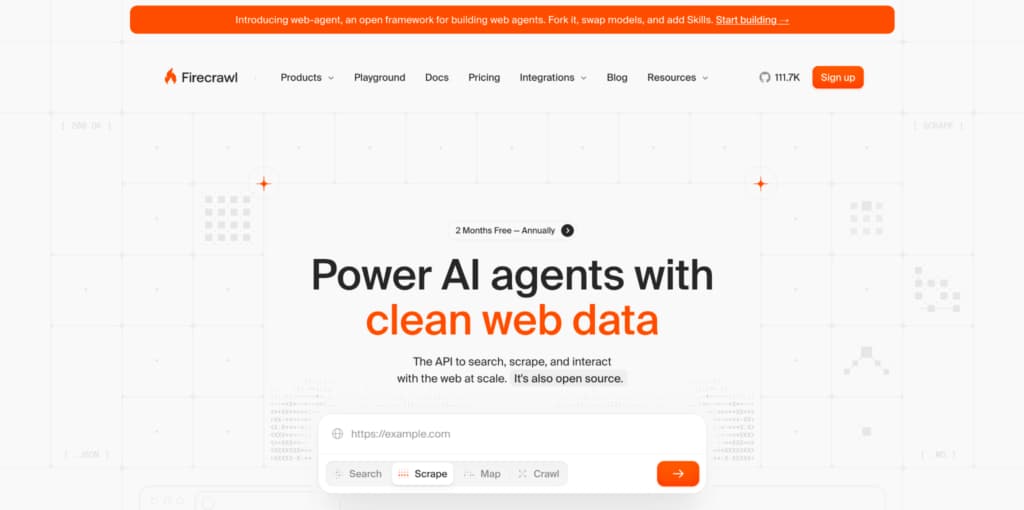
Auditing a single page provides limited intelligence. Brand monitoring often requires understanding the visual structure of an entire domain. Firecrawl focuses strictly on deep site traversal.
The Traversal Method:
- Users input a primary root domain.
- The system spiders out, following internal link structures.
- It renders the discovered pages and extracts the visual states.
Efficient Visual Auditing
This approach helps compliance teams build comprehensive visual audits quickly. A design agency can deploy this tool to capture the entire visual footprint of a competitor’s website over a weekend. It scales the discovery process efficiently.
6. ScraperAPI
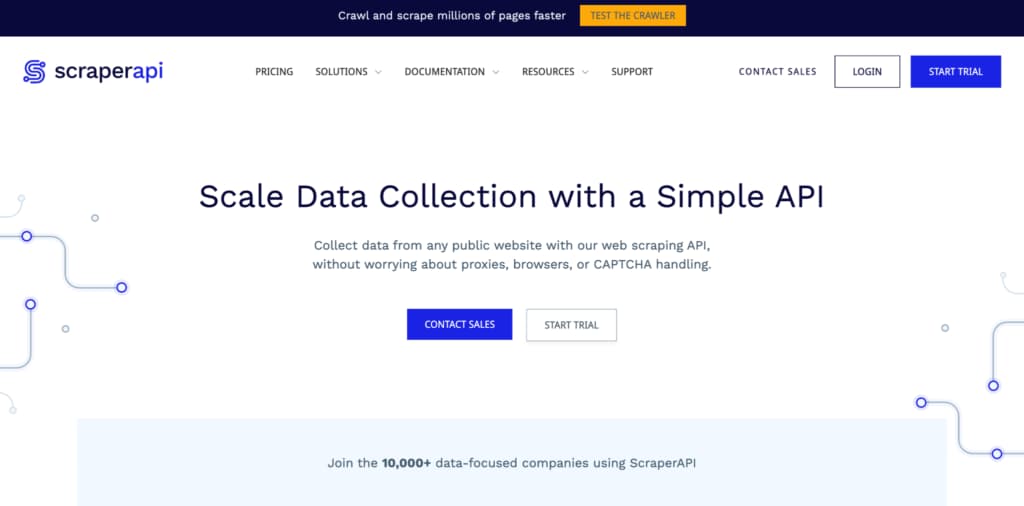
ScraperAPI functions as an immediate routing layer. It focuses on integration speed. Development teams plug the endpoint directly into their existing data pipelines with minimal code changes.
Visual Rendering Architecture
The architecture supports visual rendering through a specific configuration command. Developers flag the request to render JavaScript. The system intercepts the request, routes it through a managed browser cluster, executes the code, and delivers the final state.
Key Features
- Features automatic retry logic for failed connections.
- Manages IP rotation dynamically to avoid detection.
- Provides clear, simple documentation for rapid deployment.
It serves as a fast, reliable option for teams that need to add basic visual rendering capabilities to older, text-based extraction systems.
7. Bright Data
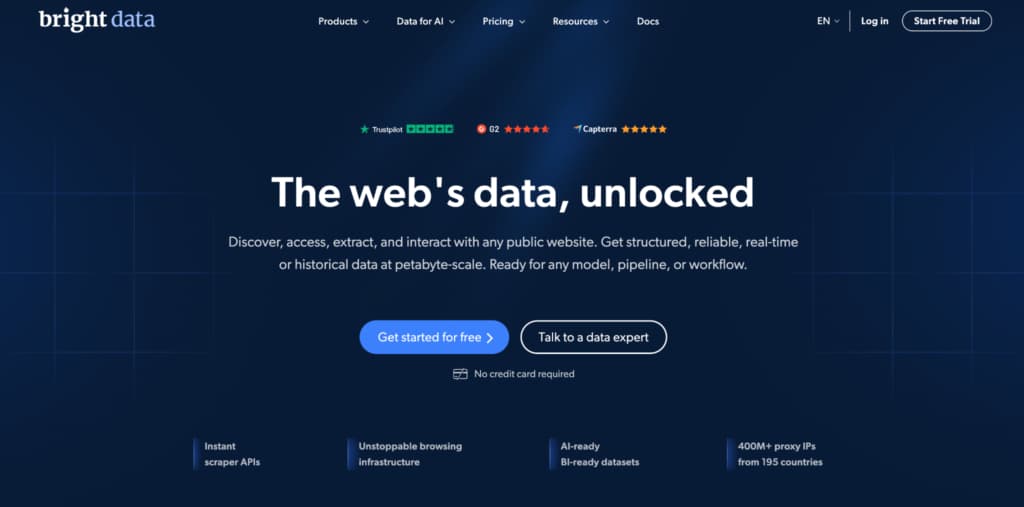
Enterprise operations require intense precision and highly detailed analytics. Bright Data built its visual capture capabilities to service massive, global compliance operations.
Targeted Data Extraction and Verification
The platform offers extreme control over the extraction environment. Ad verification teams utilize this system to target visual data down to specific zip codes. A regional business needs absolute proof that their localized marketing assets appear correctly in their specific market.
Visual Proof and Monitoring Infrastructure
Bright Data renders the page from that exact coordinate. It captures the visual proof accurately. The accompanying administrative dashboard delivers deep insights. It tracks success rates, pinpoints block origins, and measures overall bandwidth consumption. The infrastructure provides significant redundancy for critical visual monitoring campaigns.
Securing Competitive Advantage
Digital visibility defines market control. Relying on outdated text extraction methodologies exposes businesses to significant operational risk. Blind spots in a compliance strategy lead to immediate financial loss and long-term brand degradation.
Executing a modern visual intelligence campaign requires specialized infrastructure. The internet actively resists automated data collection. Target domains deploy aggressive security measures to block monitoring efforts. The selected software must navigate these defenses silently. It must execute heavy code blocks instantly. It must manipulate the digital environment through clicks and scrolls before capturing the final image. Deploying the right API transforms chaotic web data into undeniable visual proof.